

Daily Cardiovascular Idea: NatA Mutations and Heart Disease
(1) Abstract:
This review focuses on the roles of NAA10 and NAA15 mutations in cardiovascular disorders. It summarizes the structure, catalytic function, and regulation of the NatA complex, outlines molecular mechanisms by which mutations lead to cardiac lesions, and discusses relevant models and future research directions.
(2) Background:
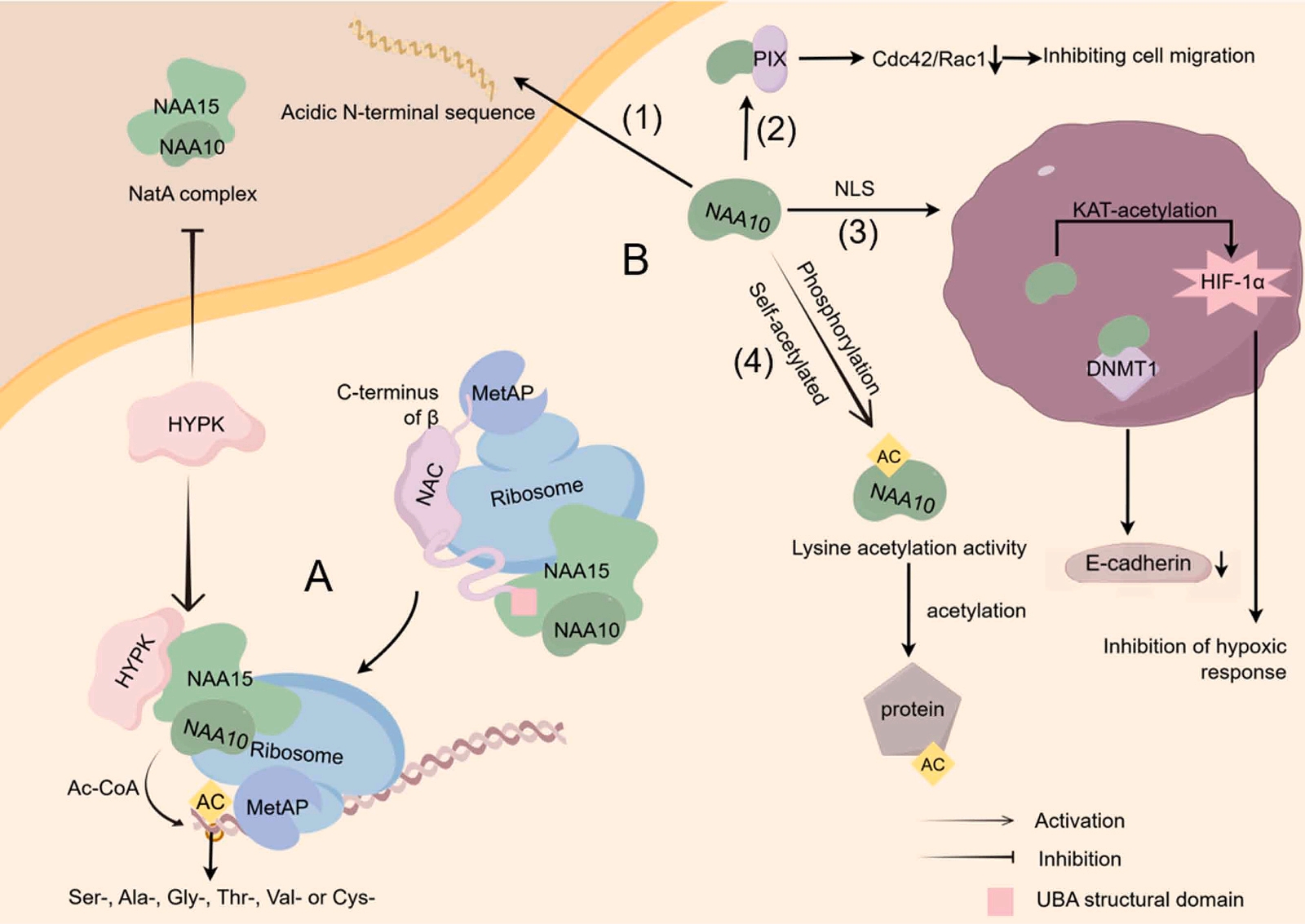
N-terminal acetylation is a widespread protein modification. NatA comprises the catalytic subunit NAA10 and auxiliary subunit NAA15 and mediates N-terminal acetylation of many proteins. Pathogenic NAA10/NAA15 mutations can disrupt complex integrity or enzymatic activity. Besides neurodevelopmental abnormalities, patients often present arrhythmias, cardiac hypertrophy, and structural heart defects, but the cardiac mechanisms require systematic clarification.
(3) Main Content:
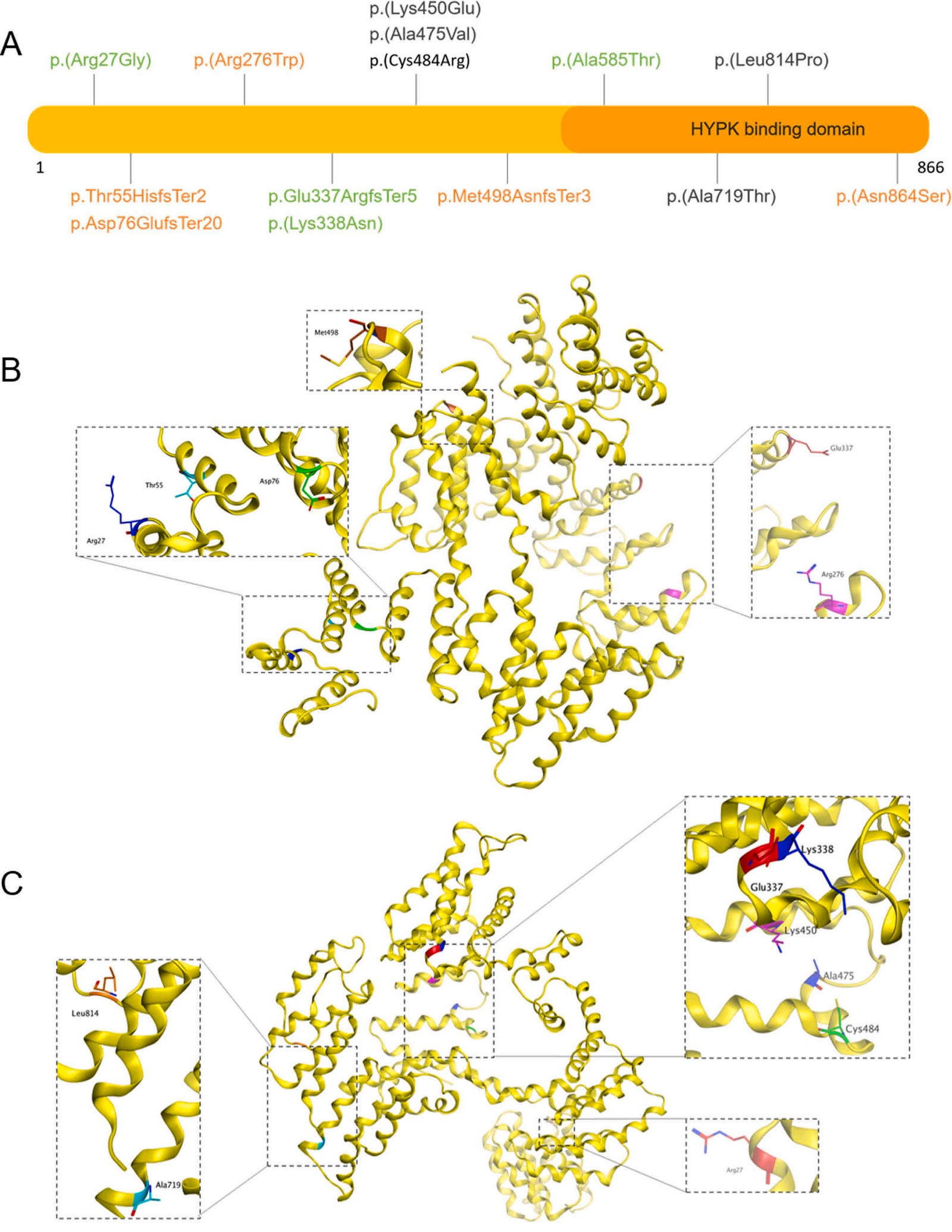
The review covers NatA biochemical properties, NAA10 and NAA15 domains and mutation sites, and classifies pathogenic mechanisms as complex assembly defects, reduced protein stability, catalytic dysfunction, and regulatory domain abnormalities. It also discusses ion channel regulation, proteostasis, ribosome binding, and HYPK regulation in cardiac phenotypes.
(4) Study Design:
This is a review study. The authors integrate gene sequencing, structural biology, biochemical enzyme activity assays, patient-derived iPSC-CM electrophysiology, and animal/cellular evidence, classify mutations by functional consequences, and compare cardiac phenotypes and mechanisms between NAA10- and NAA15-related disorders.
(5) Results:
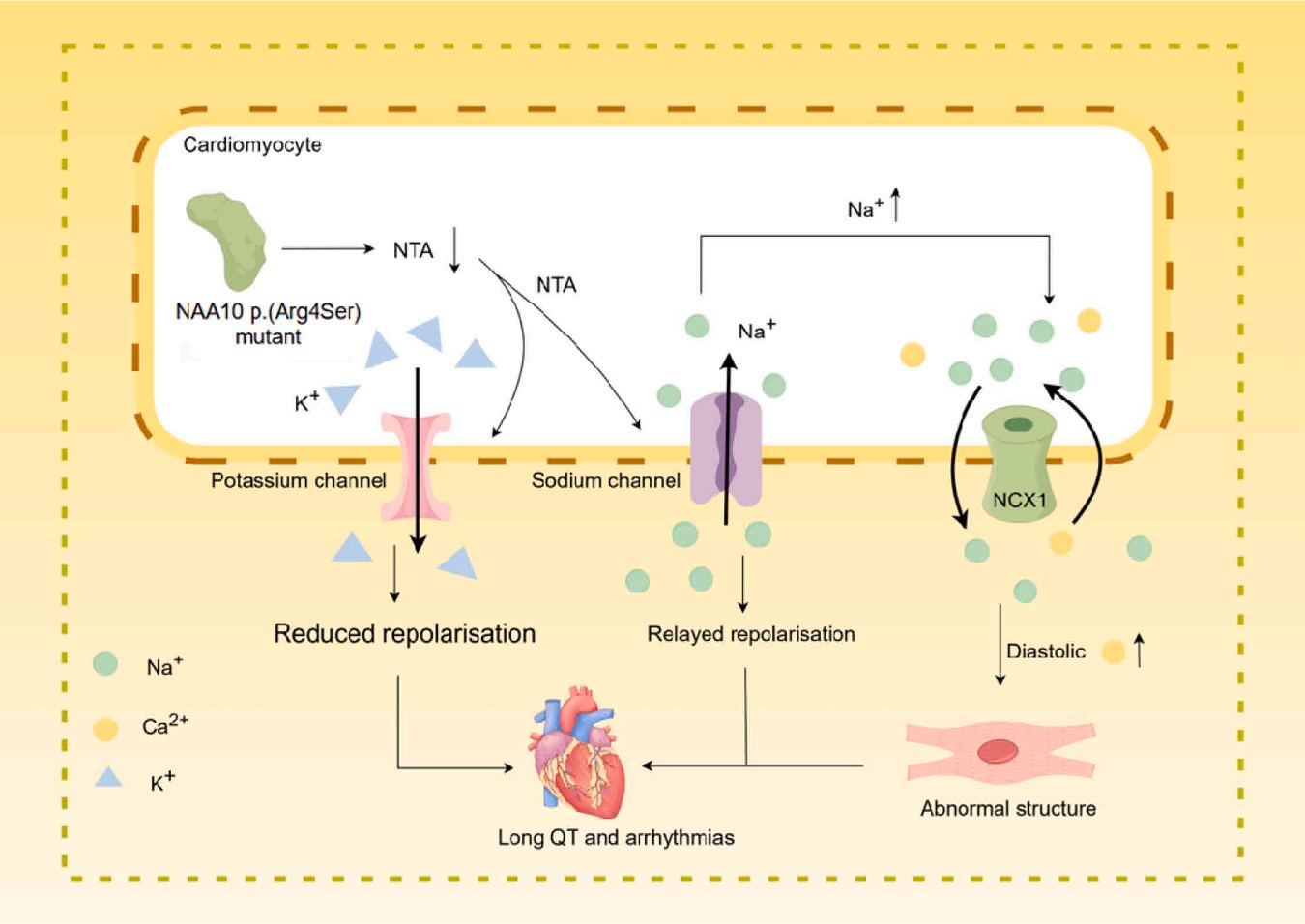
NAA10/NAA15 mutations affect myocardial function through impaired NatA assembly, decreased catalytic activity, reduced protein stability, abnormal ribosome anchoring, and altered ion channel currents. Cardiac phenotypes include QT prolongation, arrhythmias, cardiac hypertrophy, and congenital structural heart abnormalities. NAA15 truncating variants are often associated with haploinsufficiency, while NAA10 mutations show X-linked and allele-specific features.
(6) Future Directions:
Key issues remain, including insufficient NAA16 compensation, mutation effects in the presence of HYPK, region-specific mechanisms, and limitations of iPSC-CM maturation. The relationship between NatA dysfunction and age-related myocardial proteostasis imbalance warrants further validation.
We provide full-process services for various material designs (including highly innovative scheme design, preparation, characterization, in vitro and in vivo validation (cell/animal experiments), etc.): a postdoctoral team (with multiple high-impact publications in Zone 1 journals) can meet all kinds of tricky and challenging requirements, including hydrogels / drug delivery / nanomaterials / polymers / liposomes / microneedle drug delivery, etc. We can assist with project design / NSFC grant applications / publication of high-impact Zone 1 and Zone 2 papers in journals such as AFM, SCI, AM, etc. Welcome to consult 👇️
17768014569 (Senior Engineer Gao)
17761925168 (Engineer Zhang)
18013729810 (Engineer Yang)
18915694570
Previous: Daily Bone Immunity Id
Next: the end...


