

Engineered Multifunctional Hydrogel of Poly(phenol-imidazole) Nanosheets for Infected Diabetic Wound Healing
Research on the interactions between multifunctional nanocomposite hydrogels and biological interfaces is a hot topic in the field of biomedical materials. Its primary objective is to employ low-dimensional nanofillers with intrinsic bioactivity to achieve multiple functions of hydrogel dressings, including targeted antibacterial activity, antioxidation, immunomodulation and mechanical adaptability in the microenvironment of infected chronic wounds, by tuning their non-covalent/dynamic covalent interactions with polymer networks.
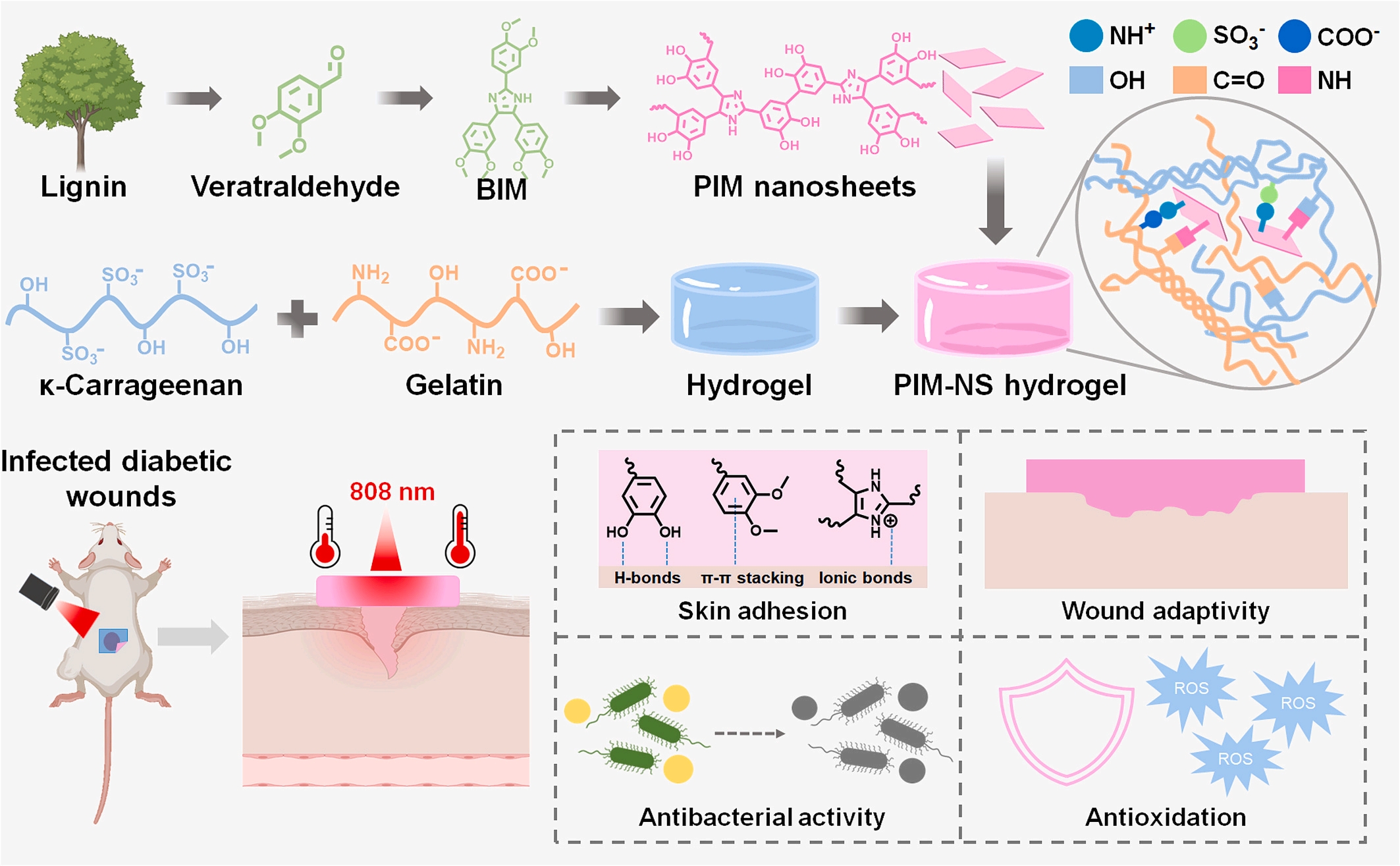
Poly(phenol-imidazole) nanosheets are utilized to realize physical antibacterial and antioxidant therapy for infected wounds. The microenvironment of infected diabetic wounds is frequently accompanied by severe bacterial infection and oxidative stress. The imidazolium quaternary ammonium groups in PIM-NS can physically disrupt bacterial membrane integrity. Combined with the photothermal effect, the composite hydrogel exhibits broad-spectrum antibacterial activity against Staphylococcus aureus (Gram-positive) and Escherichia coli (Gram-negative) under 808 nm NIR irradiation, with an antibacterial rate exceeding 99%. In addition, its phenolic hydroxyl structure confers the hydrogel strong DPPH and ABTS radical scavenging capacity, which effectively regulates the level of reactive oxygen species (ROS) at wound sites and alleviates inflammatory responses.
Transcriptomics and animal models are applied to evaluate its wound-healing-promoting and immunomodulatory mechanisms. In a streptozotocin-induced diabetic mouse model of infected full-thickness skin defect, the PIM-NS hydrogel-1 + NIR treatment group showed significantly accelerated wound closure. Histological staining (H&E, Masson) demonstrated enhanced re-epithelialization, increased collagen deposition and angiogenesis. Transcriptome sequencing analysis revealed that 101 differentially expressed genes (DEGs) in the treatment group were significantly enriched in pathways related to inflammatory response, immune activation and extracellular matrix (ECM) remodeling.
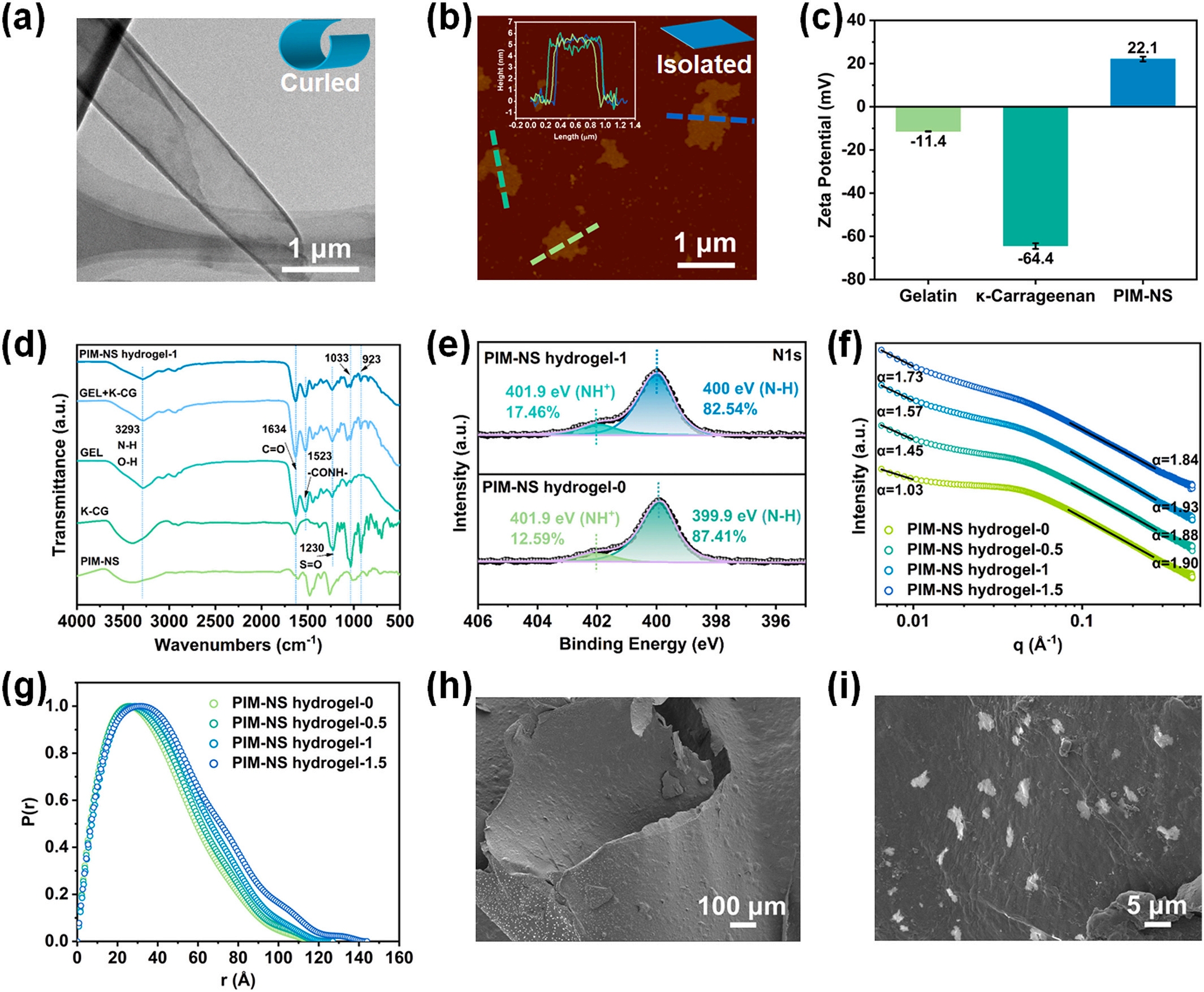
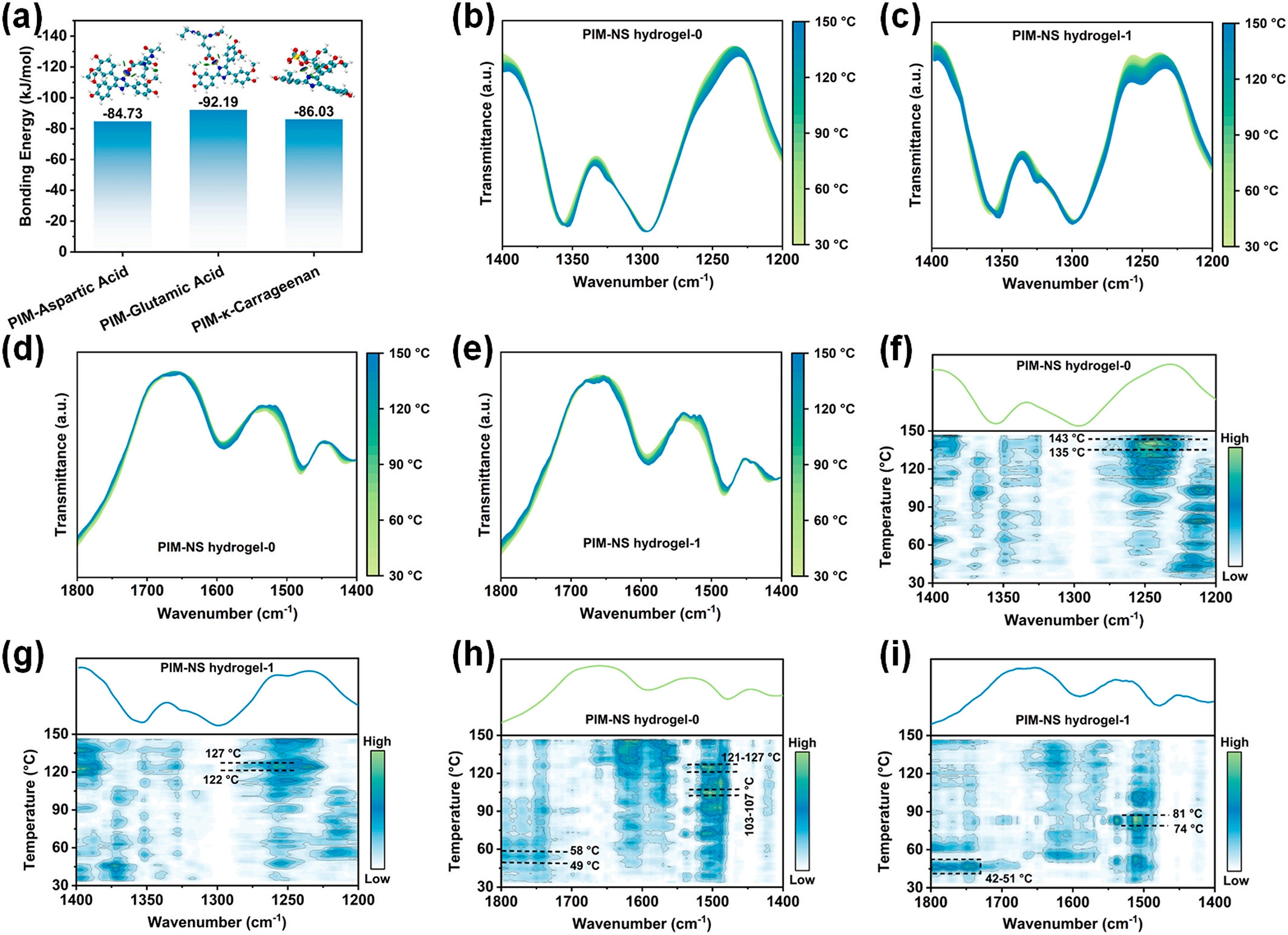
Immunofluorescence results further confirmed that the hydrogel can downregulate the expression of pro-inflammatory factors (IL-6, TNF-α) and M1 macrophage markers (CD86), and upregulate anti-inflammatory factors (IL-10), M2 markers (CD206), as well as pro-angiogenic and matrix remodeling-related proteins (CD31, VEGF, COL-1), thereby shifting the wound microenvironment from a pro-inflammatory state to a pro-repair state.
In vitro and in vivo biosafety assessments are performed to verify its clinical translation potential. In vitro CCK-8 assays and Live/Dead staining indicated that PIM-NS and the composite hydrogel possess favorable cytocompatibility toward NIH-3T3 cells (cell viability nearly 100%). Hemolysis tests and H&E staining of major organs (heart, liver, lung, kidney) showed that the material has no obvious hematotoxicity or systemic toxicity.
We offer full-process services for a wide range of material design, including highly innovative scheme design, material fabrication, characterization, and in vitro & in vivo validation (cell and animal experiments).
Our team consists of postdoctoral researchers with multiple high-impact Q1 journal publications, capable of tackling your most challenging research requirements. Our scope covers hydrogels, drug delivery systems, nanomaterials, polymers, liposomes, microneedle drug delivery, and more. We provide support for research project design, National Natural Science Foundation of China (NSFC) proposal preparation, and publication of high-impact Q1/Q2 SCI papers such as in AFM, Advanced Materials (AM), etc. Feel free to contact us:
17768014569 (Senior Engineer) 17761925168 (Engineer Zhang) 18013729810 (Engineer Yang)
18915694570
Previous: BK Oncolytic virus pla
Next: Chiral Nanoneedles and


